

Menopause Belly: Why Strength Training Beats Cardio
If you're doing more cardio than ever and your belly is still growing, you're not imagining it, and you're not doing it wrong.
Menopause belly often starts in perimenopause. As estrogen falls, fat storage shifts from hips and thighs toward the belly, including deeper visceral fat around the organs. One long study, SWAN, found visceral fat rose about 10% a year in the two years before the final period, versus about 1% a year before that window, while muscle started to decline. That's why the scale can stay almost the same while your body changes underneath it.
That was my story too. More belly, despite running, light weights, and HIIT. What changed things wasn't more cardio. It was full-body strength training: squat, hinge, push, pull, and carry, 2 to 3 sets of 8 to 12 reps, with the last reps feeling genuinely hard. I lift 4 days a week on my prep schedule; for most women starting out, 2 to 3 days a week is plenty. No exercise burns belly fat directly, and crunches build core strength, not spot fat loss. Lifting rebuilds the muscle that changes how your body stores fat the rest of the week.
Food matters beyond plants and fiber. Protein at every meal, about 25 to 30 grams, from foods like tofu, tempeh, edamame, lentils, and beans. Alcohol is first on the cut-back list, then sugary drinks and added sugar. And sleep belongs in this story too: poor sleep raises appetite and favors belly storage.
Start with one change this week, not all of them at once.
Watch the full video here: https://www.youtube.com/watch?v=y4-PYhu4i0U
Free guides: https://www.plantandpractice.com/free-guides
Work with me 1:1: https://www.plantandpractice.com/apply
This is general information only, not medical advice. Talk to your clinician about your own health, hormones, or training plan.
What I Eat in a Day as a Vegan Woman Over 50 (2,498 Calories, 128g Protein)
I'm 50, I've been vegan for 30 years, and I'm prepping for my first fit model competition — currently in a building phase, which means I'm eating to grow muscle. In this video I walk you through every single thing I ate on a Tuesday: 2,498 calories, 370g carbs, 69g fat, and 128g of protein — straight from my MyFitnessPal, meal by meal, plus exactly where my protein comes from as a vegan.
If you think plant-based competitors live on plain tofu and broccoli, this one might surprise you. I also explain why I'm eating 370 grams of carbs without fear — carbs are fuel for training, and in a building phase, fuel is the whole point.
One important note: these macros come from my coach and they're built for my body and my phase. When I start cutting for stage, the numbers will look completely different — and I'll film another one of these so you can see the contrast. Don't copy my plate; use it as proof of what's possible on plants.
If you want to find your own starting numbers, my free Know Your Numbers guide walks you through your macro baseline in about five minutes: plantandpractice.com/know-your-numbers.
And if you're a woman 45+ who's overwhelmed by conflicting nutrition advice and wants a plan built around you, that's exactly what I do in my 1:1 online coaching: plantandpractice.com/apply 💚
Putting in the Work: Why I'm Earning My NASM CPT at 50
There was a moment last week — maybe twenty minutes into a study session, head down, computer on my lap, notes in hand — when I thought: this is exactly what I should be doing.
Not because what I am doing is easy. It isn't. Not because I have all the time in the world for it. I don't. But because the women I keep thinking about while I study — the ones asking questions, the ones nodding along to my posts about lifting and turning 50 and choosing not to shrink — they deserve more than silly Instagram posts and good intentions. They deserve information that is backed not only by lived experience, but by education grounded in years of research, data, and science.
So I am doing the work.
You've Been Asking
Since I started Plant & Practice and began writing honestly about bodybuilding, plant-based living, and what it feels like to turn 50 with something to prove, something unexpected has happened: you've shown up. And you've brought real questions with you.
Where do I start if I've never lifted? How do I train around the hormonal changes that are happening in my body right now? Is it too late? Am I too far behind? Can someone like me actually build muscle at this age?
I want to answer those questions — not just with my own experience, but with the kind of knowledge that holds up. The kind that is backed by science, built on evidence, and specifically designed to meet women where they are. That's what the NASM Certified Personal Trainer certification gives me. And that's exactly why I'm pursuing it.
Passion Has a Ceiling
Here is something I believe deeply: lived experience matters. Showing up to the gym at 4:30 in the morning, building muscle on a plant-based diet, navigating strength training at nearly 50 — all of that is real, and it counts for something. It has shaped everything I share here.
But I've also learned that passion and personal experience have a ceiling, especially when the goal is to help someone else. My body is not your body. My starting point was not your starting point. The approach that worked for me may need to look completely different for you — and knowing how and why to adjust that requires more than enthusiasm.
There is a meaningful difference between doing something and being equipped to teach it safely to someone else. Particularly when that someone else may be managing joint pain, bone density concerns, the metabolic shifts of perimenopause, or decades of being told the gym is not for her. Women over 50 are not a monolith, and they deserve guidance that reflects that reality.
The NASM CPT curriculum is built around exactly these questions. It covers exercise science, movement mechanics, safe and effective program design, and how to train special populations — which absolutely includes women in midlife and beyond. It is rigorous, and that rigor is the point.
What This Means for You
I want to be honest about where I am in the process: I'm in it. Studying, absorbing, testing myself, taking it seriously. I haven't crossed the finish line yet, but I'm telling you now because I want you to come along for the ride.
What this will mean for Plant & Practice, in practical terms, is more. More grounded fitness content. Blog posts that go deeper into the why behind the training principles I talk about. Eventually, resources built on certified programming — things like beginner frameworks for women who have never touched a barbell, guidance on how to progress safely, and real talk about what strength training does for the aging female body that nothing else can replicate.
This is an evolution that will take place over time. An evaluation, and ultimately, an improvement of what I bring to the world. The compassion, the plant-based lens, the belief that our values should show up in everything we do — that doesn't change. It just gets sharper.
This Is for You, Specifically
If you are a woman over 50 reading this, I want to speak directly to you for a moment.
You may have been told — explicitly or quietly, by culture or by circumstance — that your window has passed. That strength training is for the young, the already-fit, the people who started earlier and have something to show for it. I am here to tell you that is simply not true, and the science agrees with me.
Resistance training is one of the most powerful tools available to us right now. It protects bone density. It supports metabolic health. It improves balance, reduces the risk of injury, and builds the kind of muscular strength that makes daily life feel easier and more capable well into our later years. And beyond the physical — lifting builds a relationship with your body that is rooted in what it can do, not just how it looks. That shift is profound, and it is available to you at any starting point.
You do not need to already be strong to begin. You just need to begin.
I'm In the Work — Come With Me
I'm studying because I want to meet you where you are. Because you've come to me with your questions and your curiosity, and that trust deserves something more than passion alone.
The certification is coming. The resources are coming. And in the meantime, I'll keep showing up here — writing honestly, sharing what I'm learning, and building this community one compassionate practice at a time.
If you want to be among the first to know when new training content and resources drop, join the Practice below. We're just getting started.
— Shelley
You Should be Lifting
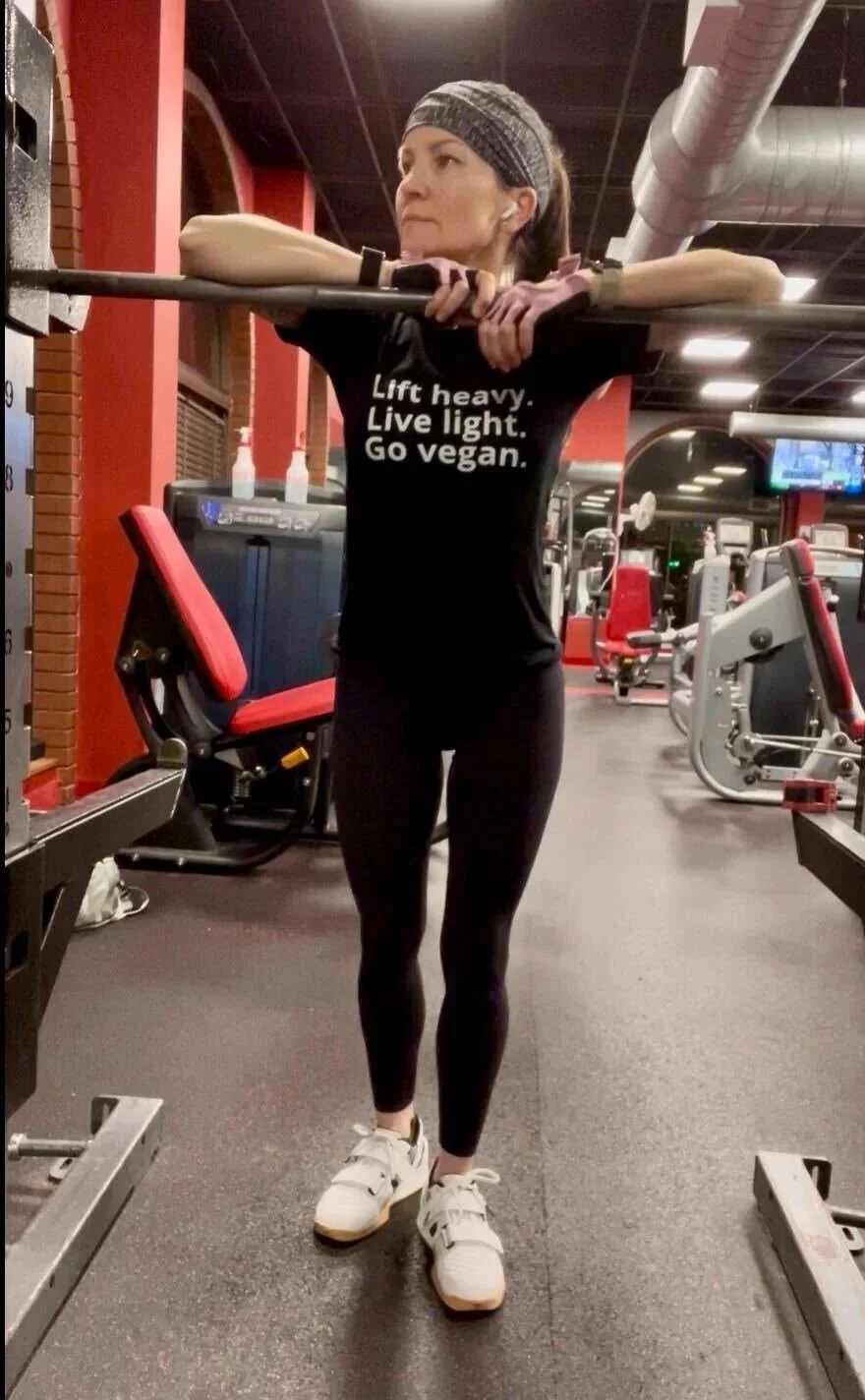
Hitting the gym at 4:30 AM!
There is a shift taking place in how women approach strength, moving far beyond aesthetics and into something much more meaningful and enduring. Resistance training, particularly the practice of lifting progressively heavier weights, is emerging as one of the most powerful tools available for supporting long term health, physical capability, and confidence across the lifespan. For many women, the idea of lifting heavy still carries outdated associations or uncertainty. But word is spreading and we are beginning to hear and understand that the effects of weightlifting are not merely cosmetic, but metabolically profound, protective, and deeply tied to the body’s ability to function well. Strength training improves bone density, which becomes increasingly important as women age and face a higher risk of osteoporosis. It enhances insulin sensitivity and supports metabolic health, helping to regulate blood sugar and reduce the likelihood of chronic disease. Muscle mass contributes to joint stability, reducing the risk of injury while improving balance and coordination. There is also a direct relationship between strength and longevity, with research consistently showing that individuals who maintain higher levels of muscle are better equipped to navigate the physical demands of daily life well into later years. Lifting heavy gives the body a reason to adapt, rebuild, and remain resilient.
And if this weren’t enough, there is a psychological dimension to lifting weights that is often underestimated yet profoundly impactful. The act of lifting something that once felt out of reach creates a shift in perception that extends far beyond the gym. Strength becomes tangible, repeatable. This process cultivates a sense of agency that is difficult to replicate elsewhere. Women who engage in strength training often describe an increased sense of confidence that has little to do with appearance. Lifting reframes the relationship with the body from one of critique to one of capability.
Cultural narratives have long encouraged women to take up less space, to prioritize smallness, and to equate restraint with discipline. Strength training offers a different narrative with a focus on expansion, capability, and presence. Lifting heavy weights requires intention, commitment, and a willingness to engage fully with effort. It challenges the idea that physical power is reserved for a select few and instead presents it as a skill that can be developed over time.
For women new to lifting, the path forward begins with learning proper technique, building a foundation, and gradually increasing load in a way that feels both challenging and sustainable. Access, injury history, and individual circumstances will always shape what is possible, and those factors deserve thoughtful consideration. (Please speak with a trained medical professional!) Within those parameters, however, the opportunity to pursue strength remains widely available. The goal is not to lift the heaviest weight in the room but to lift heavier than before, to create a pattern of progress that compounds over time. (Start with anything you can find around your house. Just start!)
Every woman who is able to engage in strength training stands to benefit from its effects, both seen and unseen. The returns on lifting regularly cannot be overstated. To lift heavy is to participate in a process that builds builds resilience, confidence, and a sense of ownership over one’s physical life.
Women are so strong and capable. But hearing this, or even knowing it, is one thing; feeling it and living it is another!
Macros, Macros, Macros!
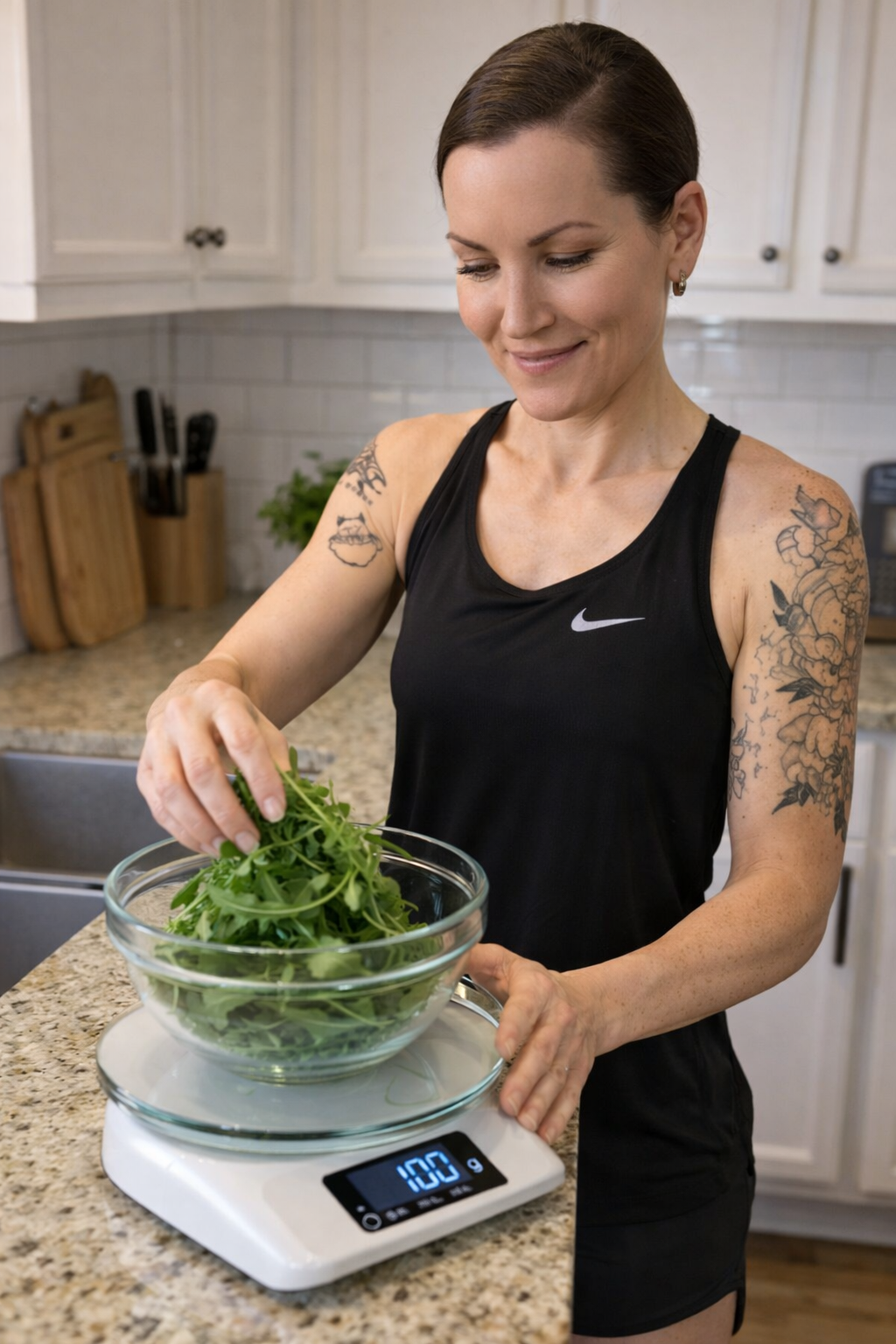
If you have a fitness goal, whether that is building muscle, leaning out, or just feeling stronger, your macros are the magic sauce that makes this happen. Training (your exercise of choice) creates the opportunity for change, and your nutrition determines how fully your body responds. When your protein, carbohydrates, and fats are aligned with your goal, your efforts pay off in ways that feel clear and measurable. If you can’t measure it, it is really easy to lose motivation! (How many times have you asked yourself, “Is this even working?” and then quit what you were doing?)
Many people spend years working hard in the gym without seeing the results they want and expect, and the missing piece is usually not effort. Your body HAS TO HAVE the right balance of nutrients to build, repair, and perform. This is a non-negotiable. When your macros are dialed in, your workouts feel more productive, your recovery improves, and your body begins to shift in a way you can actually see and track. That sense of progress builds the momentum that is key to keep moving forward.
While some people still consume meat as their primary source of protein, a plant-based lifestyle fits seamlessly into this approach without having to cause unnecessary harm to animals. You can hit strong protein targets with foods like lentils, edamame, tofu alternatives, seeds, and high-quality plant protein powders. You can fuel your training with carbohydrates from whole grains and vegetables that support steady energy. You can round things out with healthy fats that support overall function and performance. With this magic combination, your body has exactly what it needs to grow stronger and leaner.
One of the most motivating parts of following macros is how quickly your results begin to show up. When you move from guessing to tracking, you remove a huge amount of uncertainty. (I think uncertainty is what keeps most people from sticking to any type of plan.) You begin to see changes in muscle tone, strength, and body composition at a much faster pace. That feedback loop keeps you engaged and focused, and it becomes easier to stay consistent because you know your hard work is paying off and that is EVERYTHING!
Please know, your numbers will be unique to you. Your genetics, your goals, your training style, and your daily life all play a role in what your body needs. This is where working with a coach or a qualified dietician can make a real difference. Having guidance allows you to adjust your specific macros as your body changes and your goals evolve, and it gives you a level of precision that is hard to achieve on your own.
Following macros gives my effort direction and allows me to pair a plant-based lifestyle with a clear strategy for strength, performance, and body composition. At this point, there is no turning back for me. I have seen too much growth and improvement in my own training and strength to turn back now.
So what are you waiting for? Talk to a trusted professional and get on the macro train!
On Turning 50
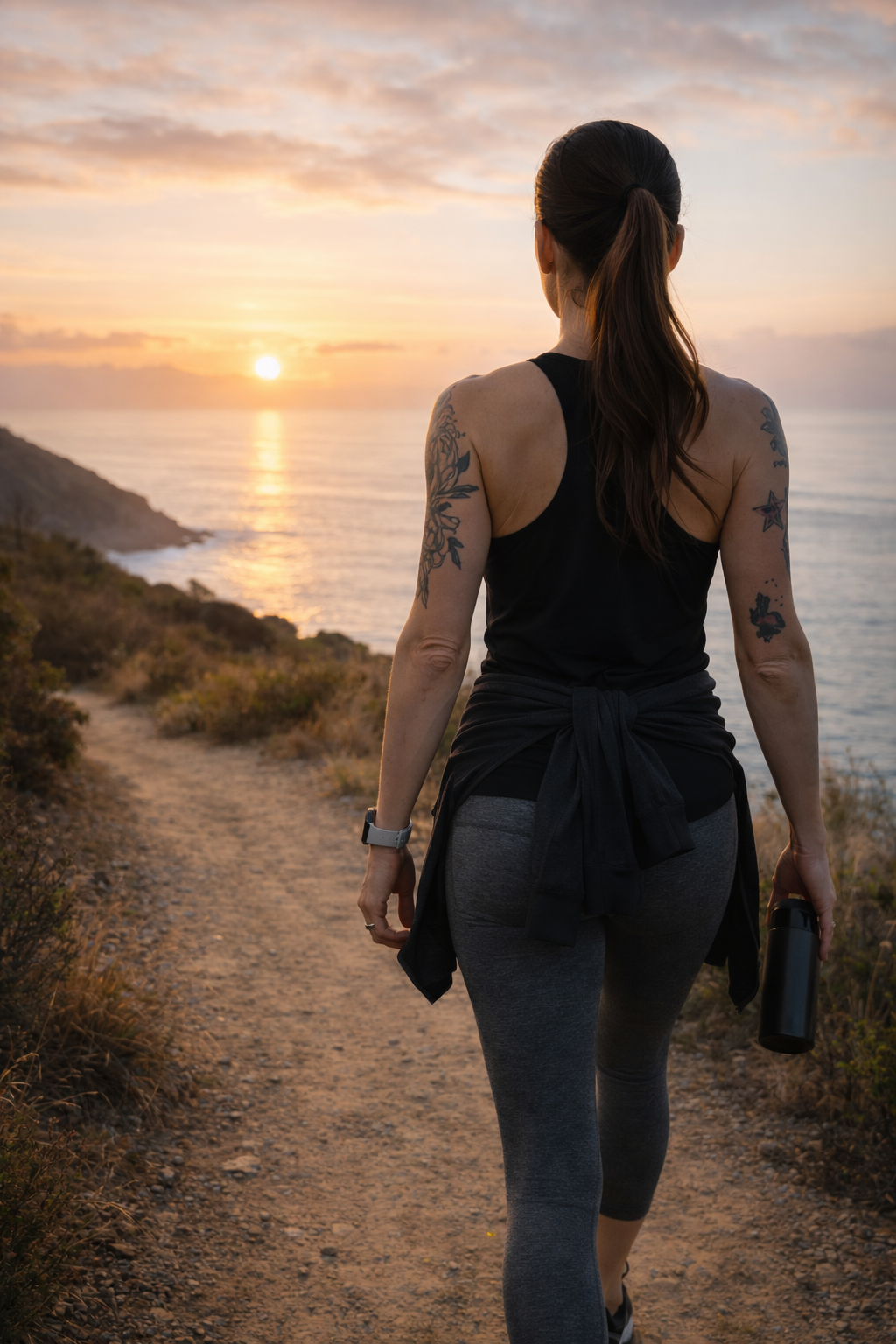
Tomorrow I turn 50.
It’s a number that seems to make people uncomfortable. The reactions range from sympathy to jokes to the occasional whisper of decline, irrelevance, invisibility. But I keep wondering… who decided that? Who decided that a number (simply the count of how many times the earth has circled the sun since we arrived) should carry emotional instructions?
Think about it. How does anyone know they are supposed to feel one way or another about the number of days they have been alive? That meaning was handed to us somewhere along the way. We absorbed it from jokes, advertisements, movies, and comments people make when birthdays come around. But numbers themselves are neutral. Fifty is no more inherently tragic than thirty-seven. Or forty-two. Or nineteen. They are just markers in time. We could just as easily have been taught that fifty is a magical threshold. A rare milestone. A moment that deserves reverence. Half a century of living, learning, surviving, adapting, changing. Instead, many of us were taught to brace ourselves for it.
I have heard people say, “When women turn 50, the world discards them.” What a terrible thing to say. And an even worse lie to believe. Yesterday someone told me, “No one wants to turn 50.”
I do. Why wouldn’t I?
To reach fifty means that my body and brain have carried me through decades of living, through heartbreaks endured, lessons learned, dreams revised, and countless ordinary days that accumulated into a life. My life.
How strange and remarkable it is to even be here at all. We rarely stop to marvel at that. Our bodies perform staggering work every day to keep us alive. Hearts beating more than 100,000 times a day. Lungs drawing breath after breath seemingly without effort. Brains solving millions of problems we never even notice. And yet we treat these miraculous systems as if they should perform like elite athletes forever, without care, patience, or gratitude.
Then a birthday comes around and instead of awe, we reach for anxiety. We measure ourselves against outdated, age-old narratives that insist certain numbers signal decline or irrelevance. But those narratives are inventions. Stories someone made up long ago and passed down until they started to sound like truth.
They are not truth.
The truth is that turning fifty is not the closing act of a life. For many of us, it is the beginning of a far more intentional one. At fifty, you know who you are. You know which voices to ignore. You know which fears were never worth carrying in the first place. You stop performing for approval and start building a life that actually reflects what matters to you. In other words, you finally get to begin.
So tomorrow I will turn fifty. And instead of treating that number like a warning sign, I will treat it like what it really is: a marker of endurance, curiosity, and survival. A reminder that I am still here, finding new ridiculous things to get myself involved in on this random planet turning circles in the sky.
And if the world expects me to shrink at this age, it may be surprised to find that I am only getting started.
Using Setbacks to Spring Forward
I just experienced my first minor injury. A muscle strain. Nothing dramatic, but enough to stop me in my tracks and force me to step away from the gym for a few weeks.
If you lift, you know what that does to your head. You watch the calendar and you think about lost momentum. You are convinced you can see your hard earned gains slowly disappearing right in front of you. For someone who tracks progress (too) closely and thrives on putting the work in, being told to rest feels like punishment.
But I did not start bodybuilding thinking it was all going to be fun and games. I started because I wanted to play the long game, acquiring strength that lasts, and discipline that shapes character. I wanted to show others the beauty in committing to something that takes years.
But this type of long game, the one that includes pushing yourself to your limits on the regular, also includes knowing when to rest, when to show restraint, when to back off even if everything in you wants to push. It is trusting that doing less today protects more tomorrow. Even though it hardly ever feels that way in the moment.
There is something humbling about realizing your body sets the pace, not your ambition. I cannot outwork biology. I cannot negotiate with tissue that needs time to repair. So instead of chasing progress at the gym, I am choosing to work on something less visible: mental resiliency.
Can I sit with discomfort without spiraling? Can I stay disciplined without the dopamine of a workout? Can I trust that consistency over years matters more than three missed weeks?
The answer has to be yes. Bodybuilding, like any serious pursuit, demands patience and strategy. It demands the maturity to know when pushing harder is actually pushing backward. If I want to build a strong physique at fifty and beyond, I cannot treat my body like it is disposable. I have to treat recovery as part of the training plan, not an annoying interruption of it.
This setback is not the end of momentum. It is a test of whether I truly believe what I say about playing the long game.
I have learned over the years that true strength is often unseen. We can’t see it in the mirror and that makes it harder to prioritize in sports like mine. It is more about what we can quietly endure without losing perspective. What we can embrace uncomfortably at first, then come to realize were are better for having gone through it.
I know progress will come again. It always does for those who stay in the game long enough.
Empathy Isn’t Fragile — It’s Formative

No va solo el que llora,
no os sequéis, ¡por piedad!, lágrimas mías
He who weeps goes not alone,
Keep flowing, I beg of you, my tears!
(Rosalía de Castro)
I used to believe empathy was a liability. So I tried to bury it. I told myself that being less sensitive would make life easier. That if I could rid myself of it, I’d be more functional, more productive, more like everyone else.
It took me years to understand that empathy was not the problem. Avoiding it was.
Over time I began to see empathy as something that formed the deepest and best parts of me. It shaped how I listened, how I chose, and eventually, how I acted. It didn’t make me weaker. It strengthened me.
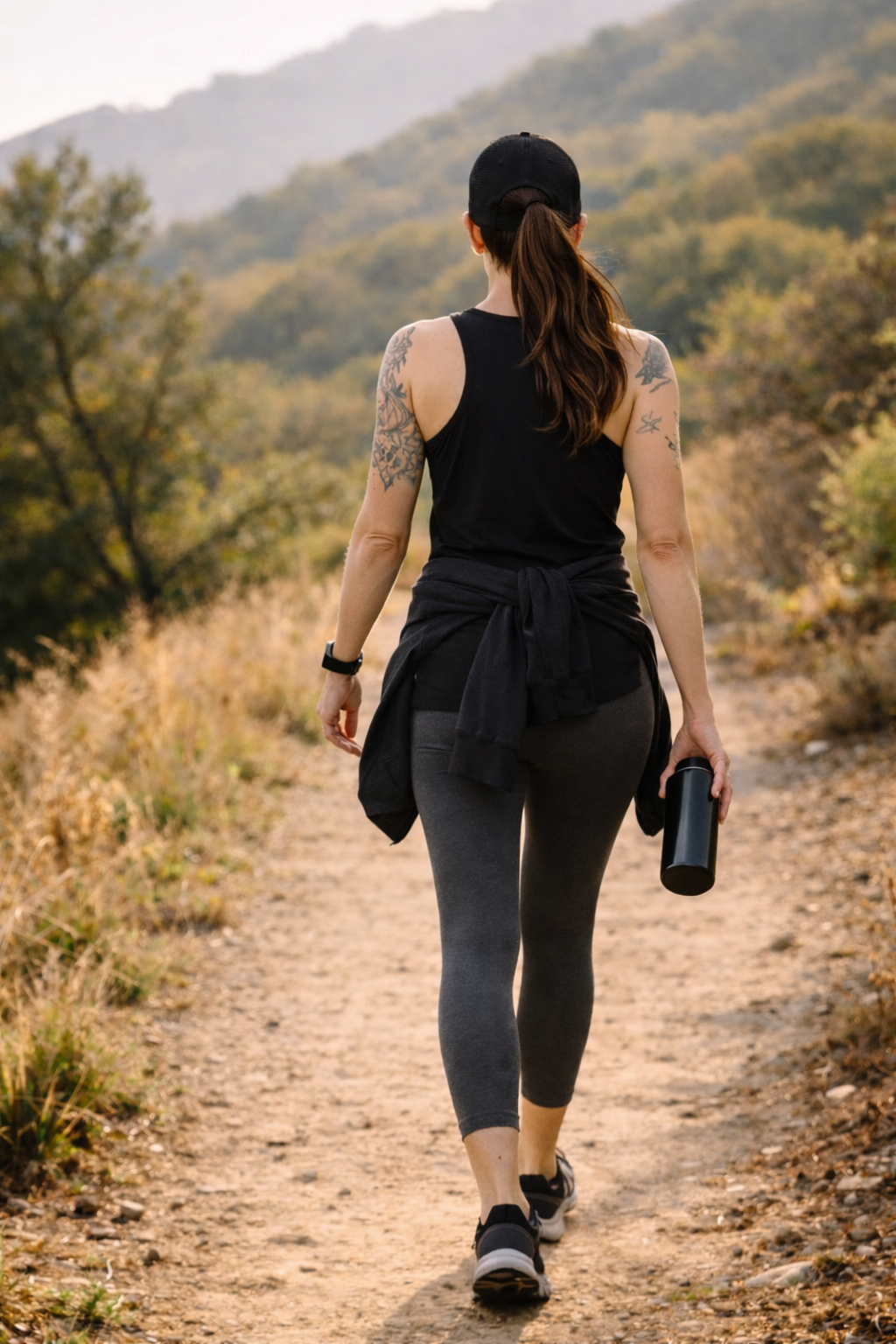
At some point along the way I decided I wanted a constant reminder that my empathy was not something I wanted to rid myself of. So I tattooed an excerpt on my arm from a poem by Rosalía de Castro, who wrote about grief and the fear of her tears drying up, because without them, she found herself alone. She was speaking about loss, but I read it as something broader.
For me, it became my constant reminder: I don’t want my tears to dry up. Especially those for the injustices of this world. The emotions and empathy were evidence that I was paying attention. Proof that something in me refused to accept injustices as inevitable. If the tears dry up, I risk becoming numb. And numbness has never led to meaningful change.
Honestly, I still struggle with consuming news and media. The world can be unbearably heavy. There are days when turning away feels like self-preservation. But I’ve come to believe that for me, looking away entirely isn’t neutrality, it’s abdication.
So I choose, again and again, to stay present. To take in what I can, when I can. Not to drown in it, but to respond to it.
I don’t believe empathy is meant to end in sorrow. I believe it’s meant to lead to compassion, and then to action. It is often the empaths who feel the cracks in our systems first. The ones who notice who is missing, who is hurting, who is being ignored. And I believe it will be empaths who help repair some of our most fundamental problems as a society.
Empathy isn’t the opposite of strength. It’s fuel for it. And when we pair it with actions, we become unstoppable. So don’t bury yours. Change the world with it.

Why Bodybuilding (and Why It Has Everything to Do with Compassion)
People often ask me why I chose bodybuilding at nearly 50, especially as a plant-based competitor. The assumption is that bodybuilding is about vanity, ego, or extremes. For me, it’s the opposite. Bodybuilding is about dedication, self-discipline, and daily practice. I didn’t choose bodybuilding to prove anything. I chose it because I believe strength is built through consistency, restraint, and intention. The daily practice of training teaches me to listen to my body, fuel it thoughtfully, rest regularly, and respect my limits, while considering the impact of my decisions on the world around me.
Why Plant-Based?
A plant-based diet isn’t about deprivation; it’s about compassion and alignment.
Plants fuel my training. Plants support recovery. Plants allow me to build muscle without creating unnecessary suffering. Every meal sends the quiet message that I can nourish myself well without harming someone else.
Compassion as a Performance Advantage
Living compassionately sharpens awareness.
When you practice living compassionately, you start paying attention:
to how food is grown
to who is affected by your choices
to long-term consequences instead of short-term gains
That awareness makes you a better athlete, and a better human.
Why Start Now
At this stage of life, bodybuilding is about honoring longevity.
I want strength that lasts. I want habits that are sustainable. I want proof — especially for other women — that it’s never too late to choose growth.
The Bigger Picture
This journey isn’t just about me.
It’s about showing that compassion is a strength, plants are powerful, and results don’t require harm. Bodybuilding, for me, is not the destination. It’s a daily practice of choosing compassion, in food, movement, and how I show up for others. And if that practice can reduce suffering, support the planet, and help someone else feel empowered to try a different way — then it’s worth being visible.
That’s the heart of Plant & Practice.
Veganuary: A Compassionate Start to the New Year (Simple Tips + Easy Swaps)
Every January, thousands of people take the step toward eating more plant-based foods, out of curiosity, care, and compassion. Whether your goal is to feel better in your body, support the planet, reduce animal suffering, or simply try something new, Veganuary is a beautiful place to begin.
As someone who has been plant-based for more than 30 years (and raised five plant-based kids along the way!), I’ve learned that success doesn’t start with an all-or-nothing overhaul. It starts with small, doable practices—repeated.
So let’s make this month approachable, delicious, and enjoyable.
Here are simple ways to work plants into your day without stress or sacrifice.
Start with One Plant-Based Meal (or snack!) a Day
You don’t have to go all-in overnight. Begin with just one meal or snack per day that’s plant-forward. You can find many of these ready-made if you’re pressed for time!
Overnight oats or chia pudding for breakfast
A hearty grain bowl, veggie burrito, or lentil soup for lunch
Veggie chili, stir-fry, or a meatless burger and sweet potato fries for dinner
If the thought of an entire plant-based meal is overwhelming, here are some easy swaps to get you started:
“This for That” (Easy Swaps You Can Find at Most Grocers)
These are simple one-to-one replacements that make Veganuary easy.
Dairy Swaps
Instead of animal-derived milk, try: oat, almond, soy, cashew, or hemp milk. (These can be found almost anywhere. We generally buy from Costco.)
Instead of animal-derived yogurt, try coconut, cashew, or almond yogurt. (Trader Joes’s is a good place for these!)
Instead of animal-derived butter, try vegan butter or olive oil. (We love Miyoko’s, Earth Balance, and Trader Joe’s)
Instead of animal-derived cheese, try a cashew cheese. (We love Violife, Miyoko’s, and Chao.)
Protein Swaps
Instead of chicken, try chickpeas, tofu (soy or fava bean), tempeh, seitan, or jackfruit.
Instead of ground beef, try lentils, walnut-taco “meat,” Beyond/Impossible, TVP.
Instead of scrambled eggs, try a tofu scramble or Just Egg.
Instead of dairy-based protein shakes, try pea, pumpkin seed, soy, or blended plant proteins (We love Vedge and OWYN)
Try Building Meals Around the Big Three
When in doubt, a simple formula works:
Protein + Grain + Vegetable
Examples:
Quinoa + roasted broccoli + tempeh + tahini lemon sauce
Black beans + rice + fajita peppers + avocado/lime
Lentil or chickpea pasta + marinara + spinach + vegan parm or nutritional yeast
Oatmeal + chia + hemp seeds + blueberries or bananas
This keeps meals balanced, satisfying, and high-protein — great for energy, strength, and recovery (These are my staples, especially as I train for my first bodybuilding season!).
Tiny Habits That Make Veganuary Easier
Try 1–3 this week — not all at once.
Add greens to one meal daily (Pro Tip: Mix them in your smoothie if you’re pressed for time or desire to cook them!)
Make your protein shake plant-based (Try Vedge or OWYN brands)
Swap dairy milk for oat milk in coffee (Try Oatly or Chobani)
Try one new plant-based recipe weekly (Try Nora Cooks!)
Keep fruit or nuts available for snacks so you don’t get hangry (Look out for hidden oils and sugar!)
Add beans to soups, bowls, and tacos (We love tempeh!)
Prep vegetables in advance (Try Costco’s new Roasted Root Vegetable Mix or Trader Joe’s chopped veggie mixes)
A Compassionate Month Can Change You
Because every plant-based meal:
-supports your body
-eases pressure on the planet
-reduces animal suffering
-builds your strength & wellbeing
And that is worth celebrating.
I’ll be posting weekly to support your Veganuary journey, and soon with recipes, “This for That” swaps, interviews with plant-based athletes, and sustainable products coming to the Plant & Practice store!
If you’d like support, inspiration, and community, sign up for email updates or follow along on Instagram.
We’ll practice compassion together, one day at a time.
Welcome to Veganuary. Let’s begin. 🌿
Choosing Compassion — One Practice at a Time
Most of the meaningful shifts in my life didn’t come from dramatic declarations or overnight change; they came from practice. Small choices repeated over time. Tiny moments where I paused, listened to my values, and asked myself: What does compassion look like here?
For me, compassion has always been the thread running through my life, in how I eat, how I raised my family, how I move my body, and how I show up for the world. I’ve lived a plant-based lifestyle for over 30 years, and all five of my children were raised on plant-based diets. It’s been a journey of discovery, learning, creativity, and a deepening sense of alignment with what I believe:
Animals deserve to live free of harm. The planet deserves our care. And our bodies thrive when we nourish them with plants.
As I move toward my 50th birthday and prepare for my first season of bodybuilding, I’m building strength not just for sport but for purpose. I want to use that platform to demonstrate something important:
Compassion is not weakness — it’s a superpower.
It builds us. It strengthens us. And it ripples outward.
Plant & Practice was born from that belief.
This space is a home for purposeful shifts, thoughtful choices, and a lifestyle rooted in kindness without judgment. A place to explore what it means to live compassionately through food, movement, intention, and daily practice.
Here’s what you can expect:
This for That posts — simple, approachable swaps to eat more plants
Recipes from my kitchen — practical, flavorful, protein-forward
Interviews with plant-based athletes (real stories, real strength)
Sustainable product highlights that make compassionate living easier
A future Plant & Practice store featuring lifestyle pieces that help you share your values out loud — thoughtfully, proudly, beautifully
I’ll be posting periodically as we build this community together — one choice, one conversation, one compassionate action at a time.
Whether you’re fully plant-based, curious, experimenting, or simply drawn to a kinder way of living — you belong here. Your practice doesn’t have to be perfect. It just has to begin.
Thank you for being here. Truly.
I’m excited to grow with you, cook with you, learn with you, and create a place where compassion feels strong, modern, and empowering.
Welcome to Plant & Practice.
Let’s choose compassion — one practice at a time.