

You Should be Lifting
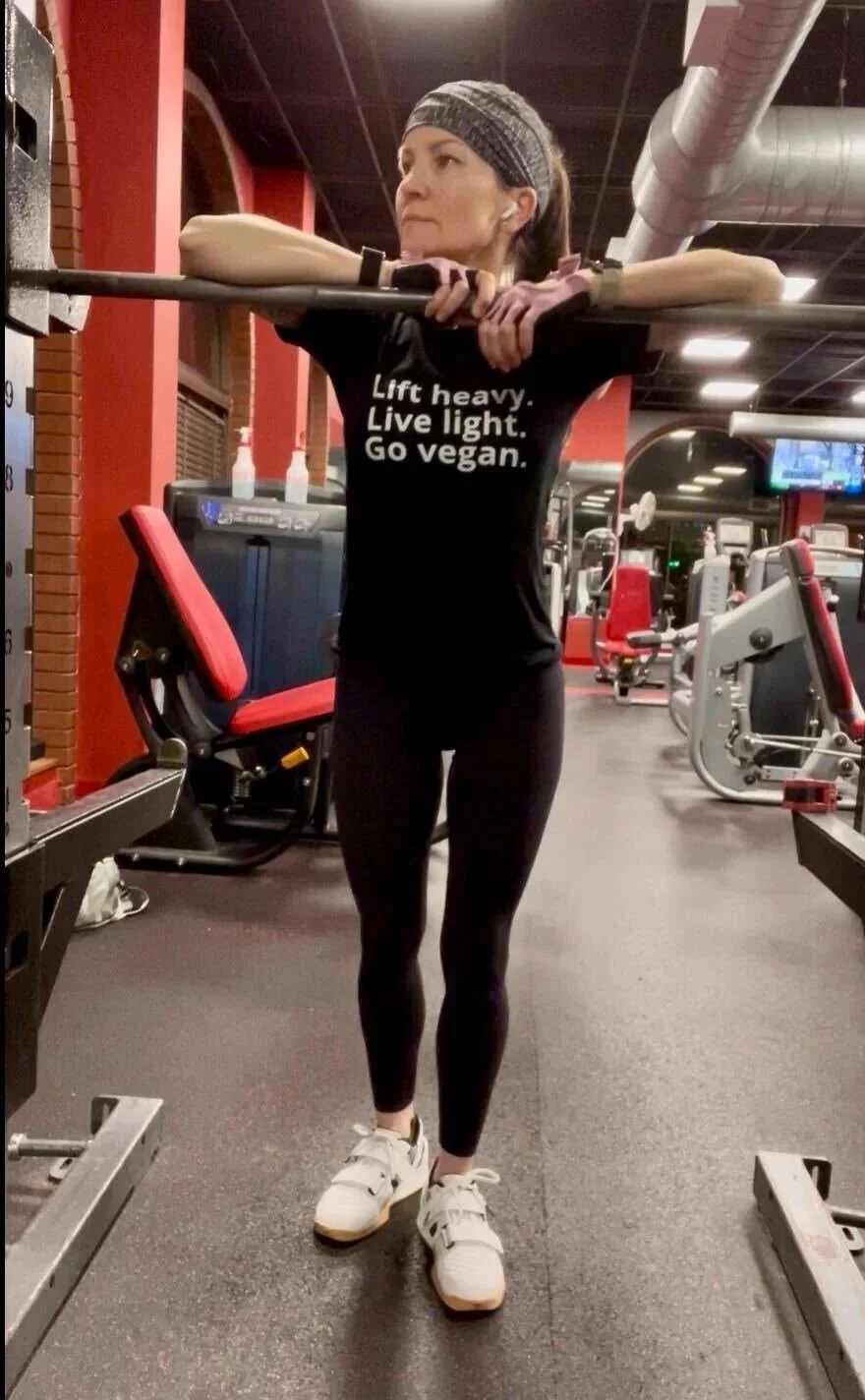
Hitting the gym at 4:30 AM!
There is a shift taking place in how women approach strength, moving far beyond aesthetics and into something much more meaningful and enduring. Resistance training, particularly the practice of lifting progressively heavier weights, is emerging as one of the most powerful tools available for supporting long term health, physical capability, and confidence across the lifespan. For many women, the idea of lifting heavy still carries outdated associations or uncertainty. But word is spreading and we are beginning to hear and understand that the effects of weightlifting are not merely cosmetic, but metabolically profound, protective, and deeply tied to the body’s ability to function well. Strength training improves bone density, which becomes increasingly important as women age and face a higher risk of osteoporosis. It enhances insulin sensitivity and supports metabolic health, helping to regulate blood sugar and reduce the likelihood of chronic disease. Muscle mass contributes to joint stability, reducing the risk of injury while improving balance and coordination. There is also a direct relationship between strength and longevity, with research consistently showing that individuals who maintain higher levels of muscle are better equipped to navigate the physical demands of daily life well into later years. Lifting heavy gives the body a reason to adapt, rebuild, and remain resilient.
And if this weren’t enough, there is a psychological dimension to lifting weights that is often underestimated yet profoundly impactful. The act of lifting something that once felt out of reach creates a shift in perception that extends far beyond the gym. Strength becomes tangible, repeatable. This process cultivates a sense of agency that is difficult to replicate elsewhere. Women who engage in strength training often describe an increased sense of confidence that has little to do with appearance. Lifting reframes the relationship with the body from one of critique to one of capability.
Cultural narratives have long encouraged women to take up less space, to prioritize smallness, and to equate restraint with discipline. Strength training offers a different narrative with a focus on expansion, capability, and presence. Lifting heavy weights requires intention, commitment, and a willingness to engage fully with effort. It challenges the idea that physical power is reserved for a select few and instead presents it as a skill that can be developed over time.
For women new to lifting, the path forward begins with learning proper technique, building a foundation, and gradually increasing load in a way that feels both challenging and sustainable. Access, injury history, and individual circumstances will always shape what is possible, and those factors deserve thoughtful consideration. (Please speak with a trained medical professional!) Within those parameters, however, the opportunity to pursue strength remains widely available. The goal is not to lift the heaviest weight in the room but to lift heavier than before, to create a pattern of progress that compounds over time. (Start with anything you can find around your house. Just start!)
Every woman who is able to engage in strength training stands to benefit from its effects, both seen and unseen. The returns on lifting regularly cannot be overstated. To lift heavy is to participate in a process that builds builds resilience, confidence, and a sense of ownership over one’s physical life.
Women are so strong and capable. But hearing this, or even knowing it, is one thing; feeling it and living it is another!